
How to Use Eggshells in the Garden
Eggshells can be collected, crushed, and added to garden soil instead of being discarded. They contain calcium, but they should be treated as a supplemental soil addition rather than a complete solution for plant growth or visible problems.
Quick Guide
- Rinse eggshells and allow them to dry before storing them.
- Crush the dry shells into small pieces or grind them into a finer powder.
- Mix them lightly into the soil instead of leaving large pieces around plant stems.
- Use eggshells alongside appropriate watering, light, and general soil care.
- Avoid assuming that eggshells alone will correct an unidentified plant problem.
Eggshells for Plants: A Simple Garden Use
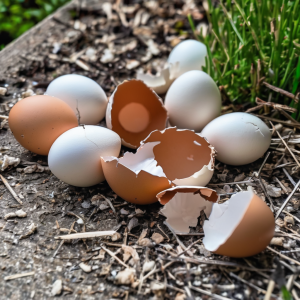
Saving eggshells provides a simple way to reuse a common kitchen leftover in the garden. Once cleaned, dried, and crushed, the shells can be mixed into open garden beds or soil around established plants. Smaller pieces are less visually distracting and easier to distribute evenly than large shell halves.
A Lighthearted Garden Anecdote
The idea is often shared through stories about struggling tomato plants that appear healthier after crushed eggshells are added nearby. Such anecdotes can inspire experimentation, but a plant's condition also depends on its light, water, soil, and overall care. If a plant looks weak, consider the full growing environment rather than crediting one soil addition for every change.

The Science Behind Eggshells
Eggshells are valued in gardening as a source of calcium, which plants use as part of their growth. However, adding shells is not the same as applying a complete plant food, and visible pieces do not provide an instant correction. Treat them as one component of broader soil care rather than a replacement for identifying what a particular plant needs.
How to Use Eggshells in Your Garden
- Collect and clean them. Rinse away the egg residue, then let the shells dry before placing them in a storage container.
- Crush the shells. Break them inside a sturdy bag or container with your hands or a rolling pin. A grinder can produce a finer texture if preferred.
- Add them to the soil. Scatter a modest amount and mix it lightly into the upper soil rather than piling it against stems.
- Observe the whole plant. Continue checking light, watering, spacing, and general soil condition instead of using eggshells as the only response to poor growth.
Benefits Beyond Nutrients
Crushed shells offer a practical way to reuse household food scraps. Their pale fragments can remain visible on the soil, so gardeners who prefer a tidy surface may want to crush them finely and mix them in. Avoid relying on sharp shell pieces as a guaranteed barrier against garden pests.
Try Them on Different Plants
Eggshells can be added around vegetables, flowers, and other established garden plants. In containers or seed-starting mixes, use restraint so the shells do not crowd out the potting medium. Because different plants and soils have different needs, compare the plant's overall condition before deciding whether any soil addition is appropriate.
How to Choose the Right Approach
Choose the preparation method according to where the shells will be used. Coarsely crushed pieces are easy to prepare for open beds, while a finer texture is less noticeable in containers and finished borders. If the goal is to address a specific plant symptom, first review basic growing conditions and seek reliable guidance for that plant rather than assuming calcium is the missing element.
Common Mistakes
- Adding shells with egg residue still attached.
- Leaving large pieces where appearance matters.
- Piling crushed shells directly against stems.
- Treating eggshells as a complete fertilizer.
- Using them as the only response to yellowing, wilting, or weak growth.
Frequently Asked Questions
Should eggshells be rinsed before garden use?
Yes. Rinsing removes remaining egg residue, and drying makes the shells easier to store and crush.
Do eggshells need to be ground into powder?
No. They can be crushed into small pieces, although a finer texture is easier to spread discreetly through the soil.
Can I put eggshells around tomato plants?
Yes, crushed shells can be mixed into the surrounding soil. They should not replace consistent watering, suitable light, or attention to other causes of plant problems.
Are eggshells a complete plant food?
No. Although they provide calcium, eggshells should be considered a supplemental soil addition rather than complete nutrition for plants.
Can eggshells be used in containers?
They can, but use a small amount and mix it through the soil so large fragments do not take up unnecessary space or remain scattered on the surface.
Conclusion: The Humble Eggshell's Second Use
Eggshells offer a straightforward way to reuse a kitchen leftover in garden beds and containers. Clean them, let them dry, crush them to a suitable texture, and mix them lightly into the soil. Keep expectations realistic: healthy plants still depend on appropriate light, watering, space, and general soil care.



0 Kommentare