
How to Design a Cozy Eclectic Living Room
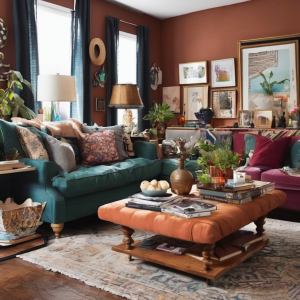
Designing a Cozy Eclectic Living Room
An eclectic living room combines pieces from different styles, textures, and eras. The room feels considered rather than random when repeated colors, balanced proportions, and a few visual anchors connect the individual elements.
Quick Guide
- Choose one main piece, such as the sofa, to anchor the room.
- Repeat a limited color palette across patterns, artwork, and accessories.
- Mix different styles selectively instead of filling every surface.
- Use layered textiles to soften the seating area and add visual depth.
- Keep walkways clear and leave some open space around statement pieces.

What Is an Eclectic Living Room?
An eclectic living room is a thoughtfully arranged mix of styles, textures, and eras. It may bring together favorite furniture, artwork, and collected objects without requiring every piece to come from the same design period.
The goal is not perfect matching. Instead, look for visual connections such as recurring colors, similar shapes, or a consistent level of contrast.

Achieving Balance in Eclectic Decor
Balance prevents a varied collection from looking cluttered. Start with the largest furnishings, then add smaller pieces gradually. If one area contains strong patterns or many decorative objects, give the eye a quieter place to rest nearby.
Repeating one or two colors throughout the room can also connect furnishings that differ in style. Before adding another accent, consider whether it supports the overall arrangement or simply fills an empty spot.
Choosing the Right Sofa
The sofa often acts as the room's visual anchor, so consider comfort, scale, and how it relates to the rest of the layout. A plush velvet sofa in a jewel-toned shade such as emerald or sapphire can provide a strong foundation for layered throws and patterned cushions.

In a smaller room, avoid surrounding a prominent sofa with too many equally bold pieces. Let it remain the focal point, and use simpler accents to maintain breathing room.

Mixing and Matching Patterns
Florals, geometric prints, and animal prints can work together when they share a cohesive color palette. Varying the scale of the patterns helps each one remain distinct: pair a dominant print with smaller or less prominent designs rather than using several competing patterns at once.
Test combinations with removable items such as cushions and throws before introducing pattern across a larger area.

Making a Statement with Your Walls
Walls offer space to express an eclectic style without adding more furniture. A gallery wall can combine vintage mirrors, artwork, and framed photographs. Arrange the pieces on the floor first to check spacing and overall balance before deciding on the final composition.
Patterned wallpaper is another bold option. When the wall treatment is visually busy, keep nearby furnishings or accessories more restrained so they do not compete for attention.

Incorporating Unique Accent Pieces
Flea markets and antique shops can provide distinctive accents, including a vintage trunk used as a coffee table or an unusual floor lamp. Give these pieces enough open space to be noticed, and consider how they relate to the room's existing colors and shapes.
Accent pieces are most effective when they also suit the layout. Avoid placing decorative furniture where it narrows a walkway or interferes with access to seating and storage.
Adding the Finishing Touches
Layer chunky knit throws, plush rugs, patterned cushions, or a sheepskin draped over a chair to add softness and depth. Distribute these textures around the room rather than concentrating every layer on the sofa.
Lighting can help define reading, conversation, and display areas. Use lamps where light is needed and keep cords and crowded surfaces in mind when deciding where each one belongs.

Embracing Eclectic Style
Eclectic style allows unexpected pieces to share a room, but not every item needs to make a statement. Select a few elements that reflect your personality, then support them with quieter furnishings and open space.
Bringing the Room Together
A successful room should support how you relax, read, entertain, and move through the space. Edit anything that makes the layout feel crowded, and keep the pieces that are both useful and personally meaningful.

A leather sofa and wall art can provide separate focal points. Use recurring colors or shapes to create a visual connection between them.

When pairing a blue sofa with a gallery wall, allow enough visual separation for both features to remain clear rather than crowded.

A fireplace, plant, red sofa, and ottoman introduce several strong elements. Arrange them around the room's main use and maintain clear paths between the seating.

A 1960s-inspired room can use wall art to reinforce its period influence while still leaving room for pieces from other styles.
How to Choose Eclectic Living Room Pieces
Begin with the items the room needs for everyday use, then add decorative layers. Before choosing a piece, consider its size, purpose, color, and relationship to what is already in the room. A useful addition should either support the layout, repeat an existing visual element, or provide a deliberate focal point.
If storage is limited, prioritize furniture and accessories that do not overwhelm available surfaces. Review the room from several viewpoints and remove items that block sightlines or make the arrangement difficult to navigate.
Common Mistakes to Avoid
- Introducing too many unrelated colors without repeating any of them.
- Using several bold patterns at the same scale.
- Filling every wall, corner, and tabletop with decorative objects.
- Choosing statement furniture without considering the room's proportions or walkways.
- Ignoring practical needs such as seating, storage, and task lighting.
Frequently Asked Questions
How do I keep an eclectic living room from looking cluttered?
Limit the number of focal points, repeat selected colors, and leave open space around larger furnishings. Edit small accessories when shelves and tables begin to feel crowded.
Can eclectic style work in a small living room?
Yes. Use a clear focal point, keep pathways open, and introduce variety through artwork and textiles instead of adding too many pieces of furniture.
Do all the patterns need to match?
No. Patterns can differ in style, but a shared color palette or variation in scale helps the combination look intentional.
What should I choose first?
Start with the largest essential item, often the sofa. Its size, color, and placement can guide the rug, tables, lighting, and decorative accents.
How can I update the room without replacing furniture?
Rearrange artwork and accessories, edit crowded surfaces, and experiment with throws or cushions that connect the room's existing colors.



0 Kommentare